
2026 Case study · Resilient Corridors
El Niño & the Resilience of East African and Great Lakes Corridors
What climate variability means for the ports, lakes, railways, roads, borders, insurers and financiers that keep regional trade moving.
Why a case study
A lens on corridor resilience
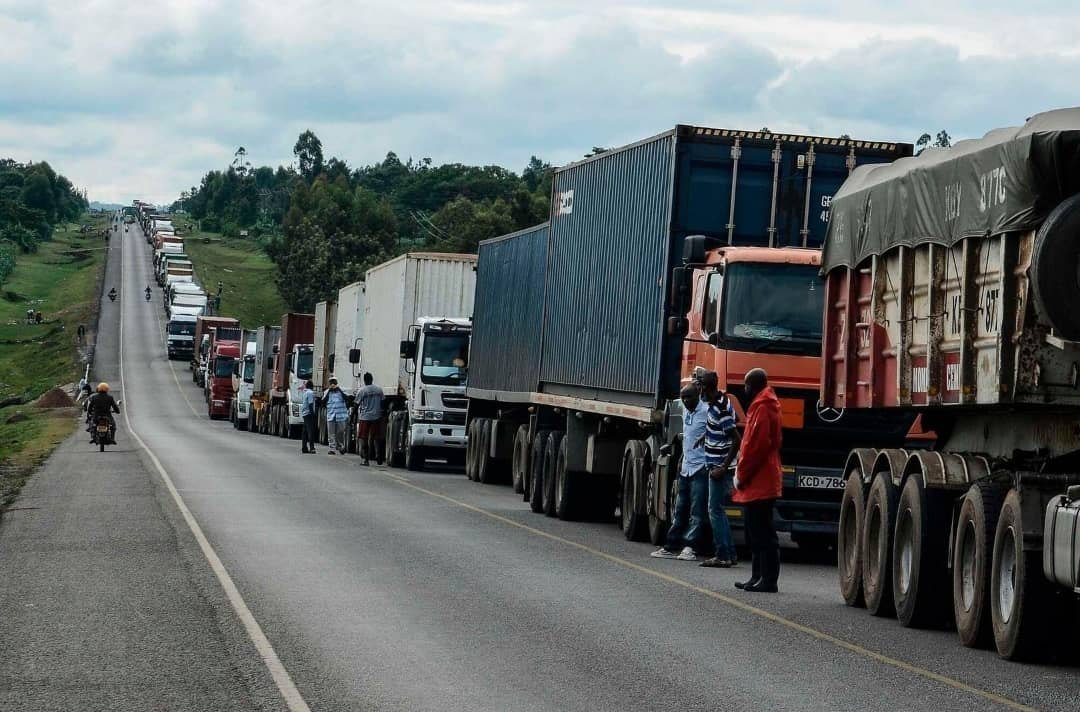
Climate variability such as El Niño has, in past cycles, been linked to heavy rainfall and flooding in parts of East Africa and to drier conditions elsewhere in the region.
The 2026 case study uses this variability as a practical test of corridor resilience: not to forecast the weather, but to ask how prepared regional trade, infrastructure and finance are for disruption.
It sits within the Resilient Corridors agenda of GLCF 2026. The overall theme of the Forum remains “From National Visions to Regional Value Chains”.
How disruption travels
From the climate signal to the balance sheet
A corridor is a chain. A shock at one link is felt at every link that follows.
-
1
Climate signal
Rainfall and weather patterns shift across the region.
-
2
Roads & bridges
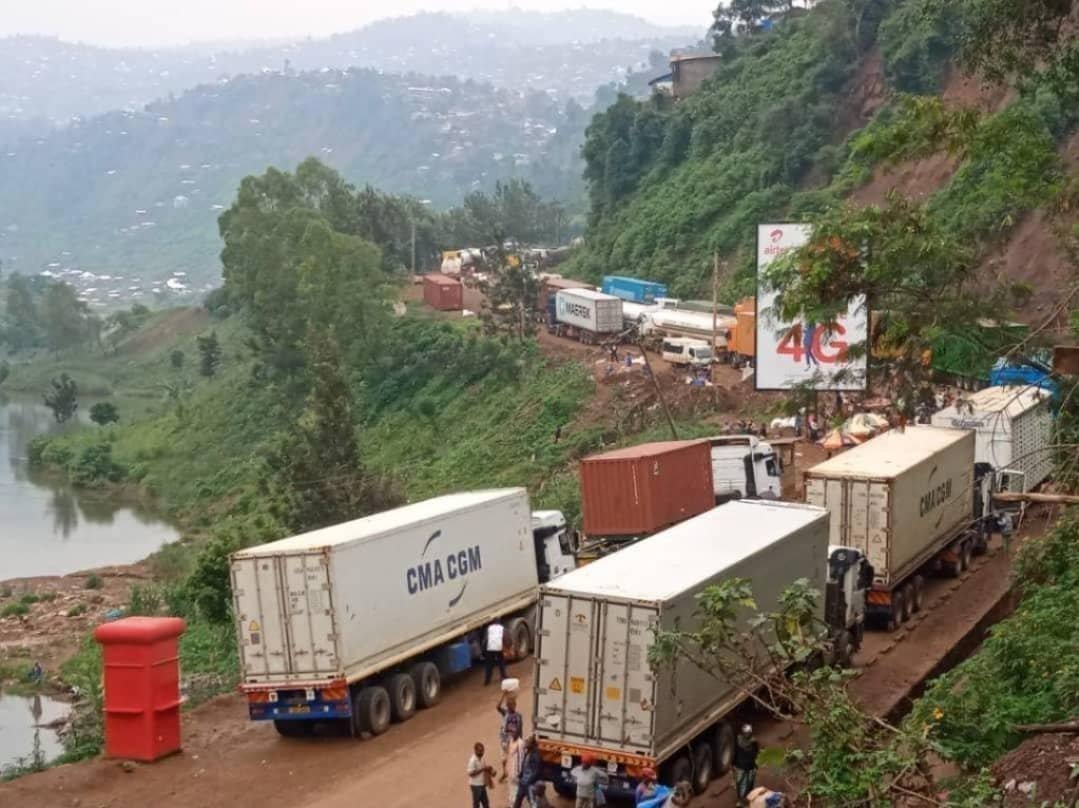
Flooding and washouts can cut trunk routes and slow freight.
-
3
Ports & shipping
Congestion and delays build at gateway and lake ports.
-
4
Rail & lakes
Track, embankment and lake-level conditions affect capacity.
-
5
Borders & warehousing
Queues, storage pressure and clearance delays follow.
-
6
Supply chains
Deliveries slip; input and market prices react.
-
7
Insurance & trade finance
Risk is repriced and financing conditions tighten.
Questions for the Forum
What the case study will explore
- How exposed are the main corridors, ports, lake routes and border crossings to climate-related disruption?
- How are these risks insured, financed and priced — and where are the gaps?
- Which alternative routes, modes and buffers can keep regional trade moving?
- How can governments and regional institutions coordinate early warning and response across borders?
- What investment in resilient infrastructure is bankable — and who will finance it?
- What data do operators, insurers and investors need — and how can regional intelligence platforms help?
Who needs to be in the room
- Governments & regulators
- Ports, rail & road authorities
- Logistics & shipping companies
- Insurers & banks
- Development finance & investors
- Climate & resilience organizations
Join the resilience conversation
Bring your corridor, port, insurance, finance or climate expertise to GLCF 2026.