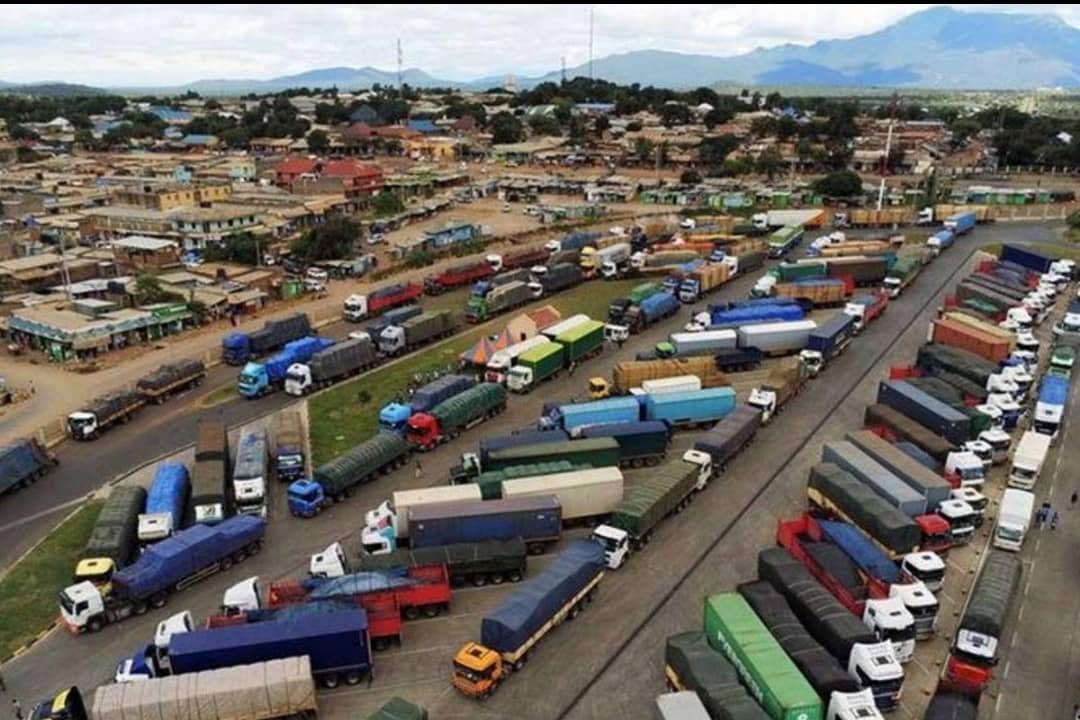
Northern Corridor
Port of Mombasa → Kenya → Uganda → Rwanda → eastern DRC.

The Great Lakes Corridor Network
Port → corridor → infrastructure → capital → market → value chain.
The Great Lakes Corridor Network
Six countries, two gateway ports and a network of rail, road and lake routes. GLCF puts the people who plan, finance and operate these links in one room.
Corridor view
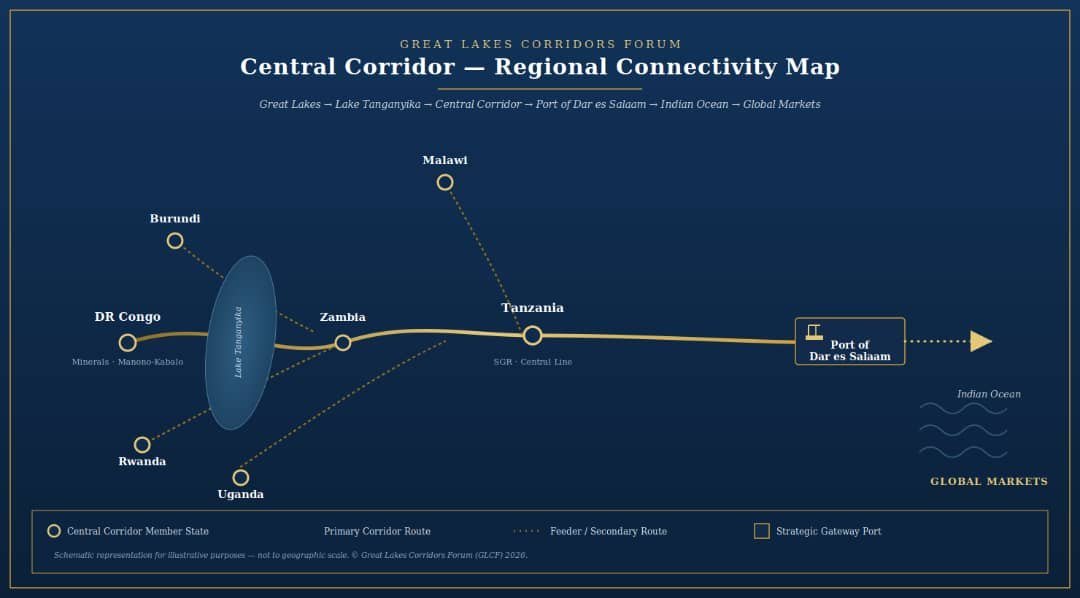
Select a country or port on the map to see how it connects to corridors, rail, road and lake routes.
Schematic representation for illustrative purposes — not to geographic scale.
Port of Mombasa → Kenya → Uganda → Rwanda → eastern DRC.
Port of Dar es Salaam → Tanzania (road, rail and the SGR Central Line) → Rwanda, Burundi, Uganda and DRC.
Lake Victoria, Lake Kivu and Lake Tanganyika connect ports, borders and inland markets.
Infrastructures
Corridors work when rail, road, lake, border and logistics infrastructure work together.
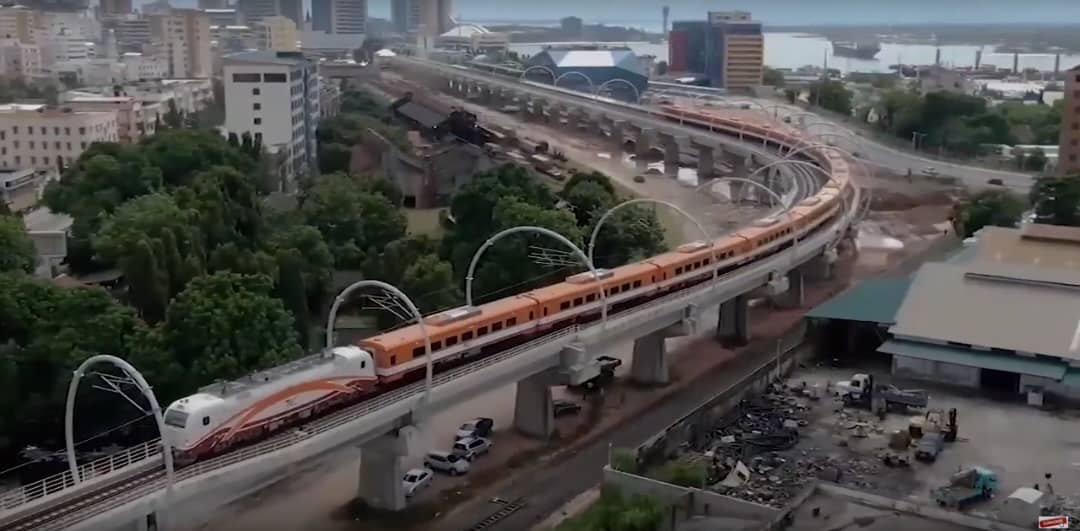
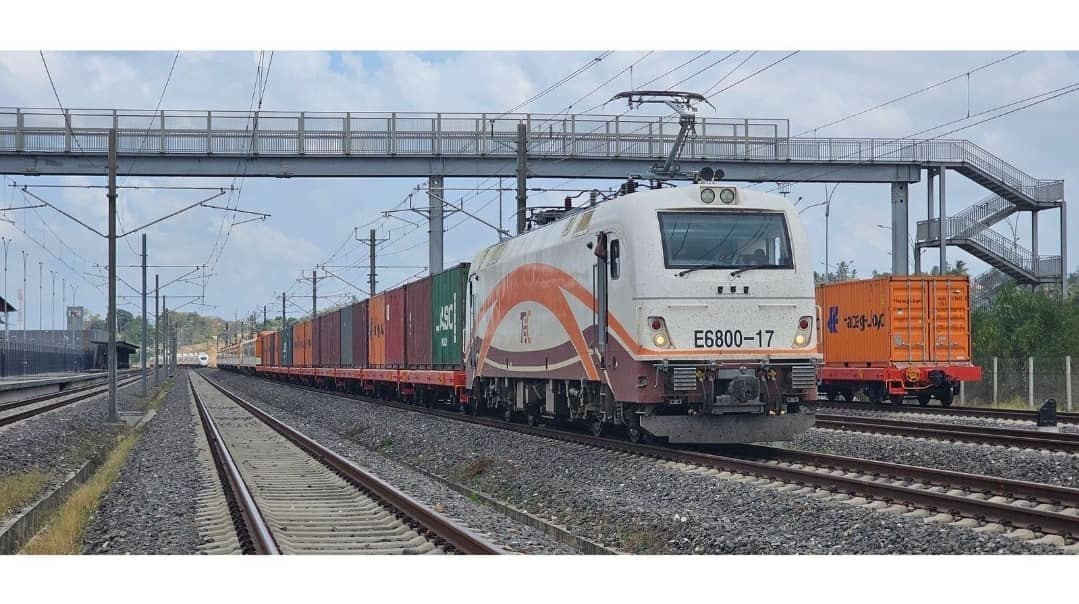
Standard-gauge and regional rail linking ports to inland markets.
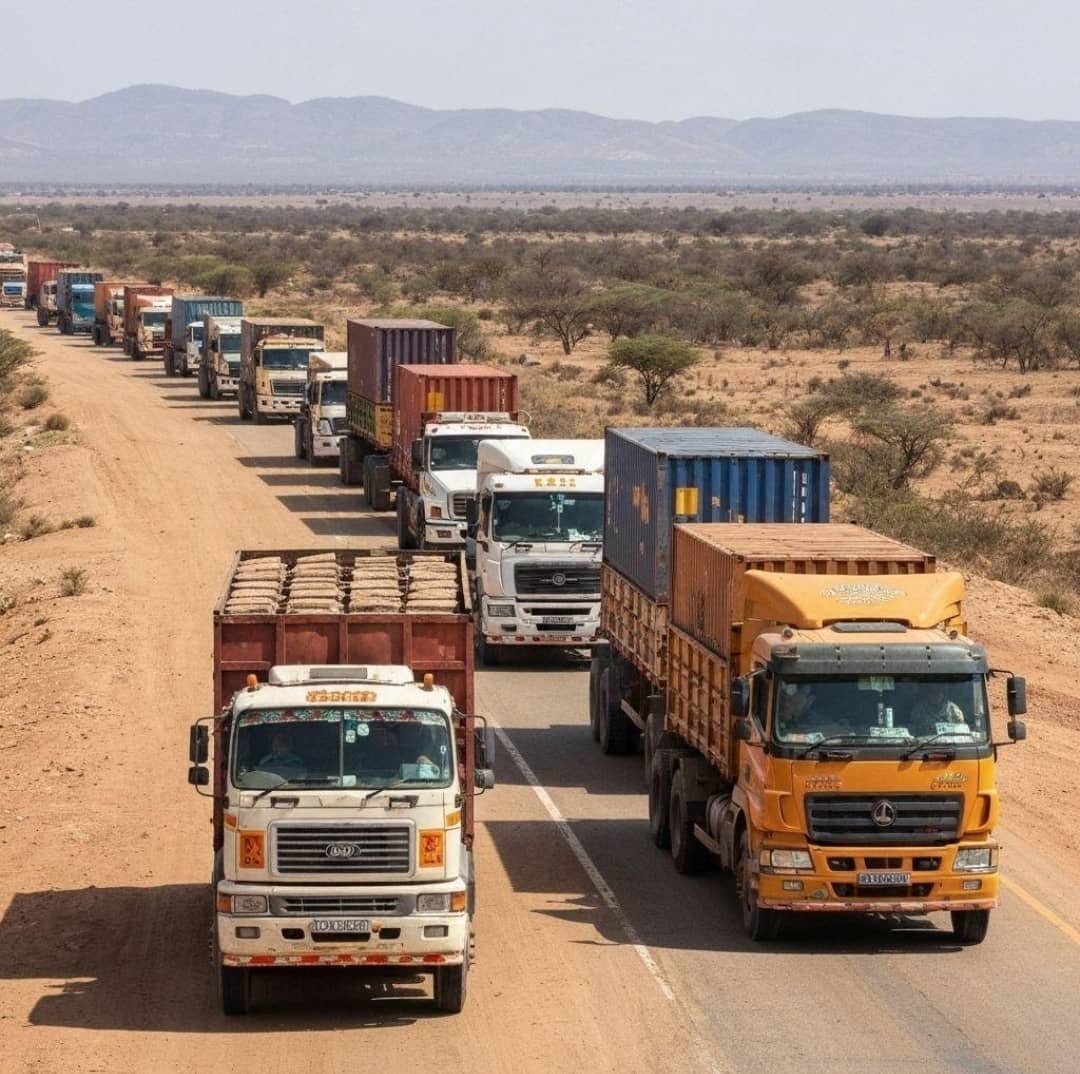
The trunk roads that carry most regional freight today.
Lake Victoria, Lake Kivu and Lake Tanganyika as connecting waterways.
Crossing points where facilitation determines time and cost.
Dry ports, terminals and warehousing along the corridors.
Regional and international markets at the end of the chain.
Ports et logistique
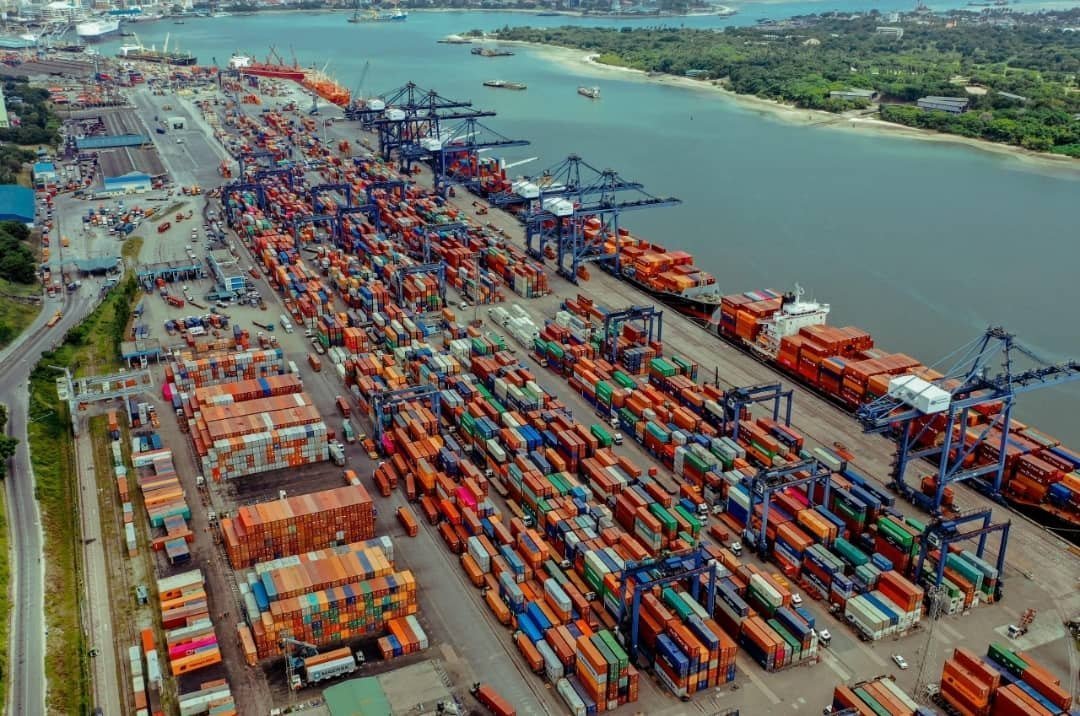
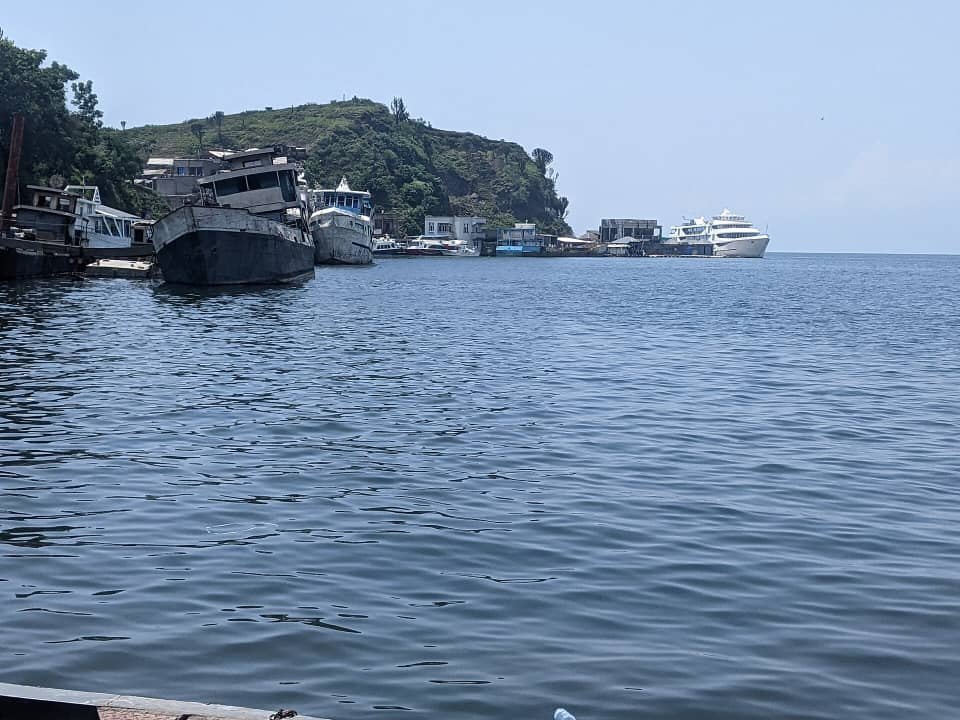
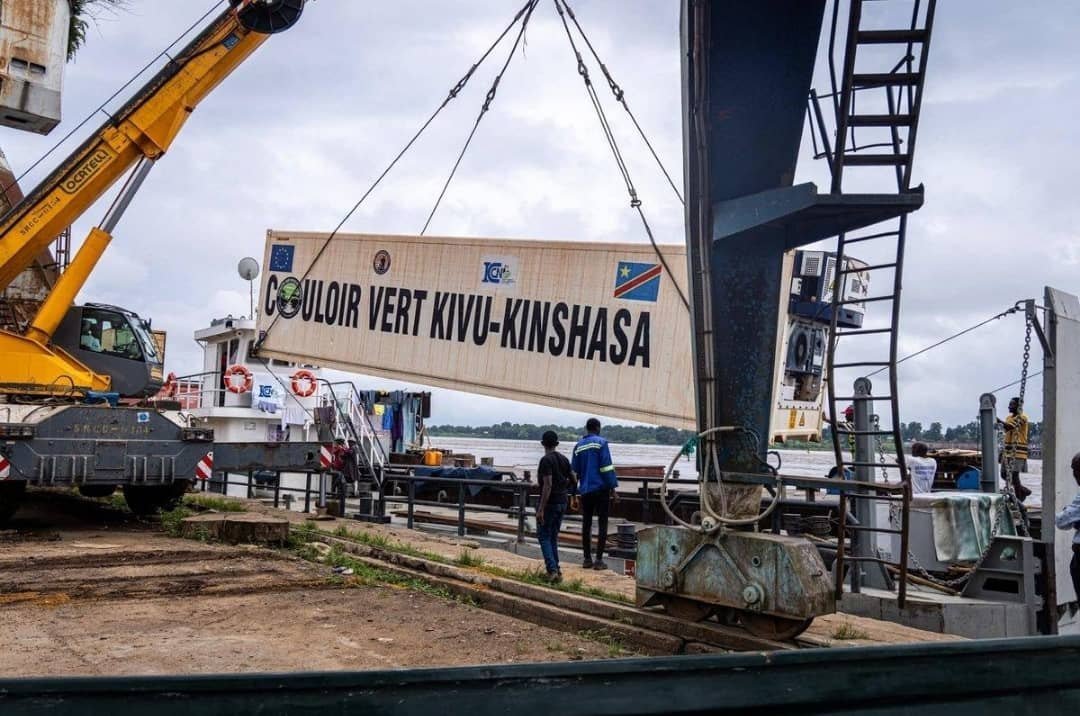
Ports on the Indian Ocean and on the Great Lakes connect the region to trade — and depend on the inland corridors, border posts and logistics operators behind them.
Chaînes de valeur régionales
Corridors matter most when they connect production to markets and turn raw materials, goods and services into shared regional value.
Moving minerals from mine to port — and adding value along the way.
Manufacturing and processing anchored on corridor access.
Importers, exporters and traders connected across borders.
Energy projects that power corridors and industry.
Reliable, efficient and resilient movement of goods.
Des visions nationales aux chaînes de valeur régionales — 4–5 décembre 2026, Saba Saba Grounds, Dar es Salaam, Tanzanie